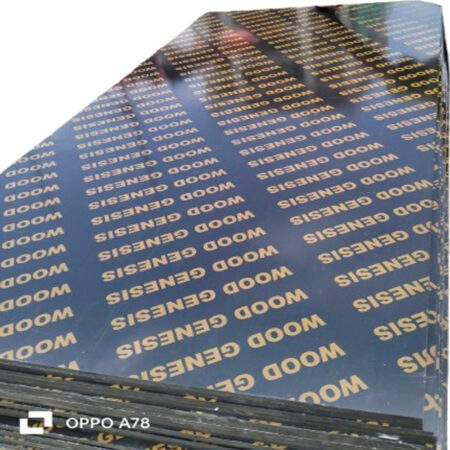


Sure. Here’s a ready-to-publish blog draft about shuttering plywood.
Shuttering Plywood: Uses, Benefits, and How to Choose the Right Grade
Shuttering plywood is a specially manufactured plywood used in concrete construction to create temporary moulds, or formwork, for slabs, beams, columns, foundations, and other structural elements. It is designed to withstand the pressure of wet concrete while maintaining a smooth and stable surface.
What Is Shuttering Plywood?
Shuttering plywood, also known as formwork plywood, is generally made from layers of wood veneers bonded together with strong adhesives. The panels are engineered to provide good strength, dimensional stability, and resistance to moisture.
Unlike ordinary plywood, shuttering plywood is manufactured specifically for repeated use in construction applications.
Common Uses of Shuttering Plywood
Shuttering plywood is widely used in building and civil construction for:
-
Concrete slabs and floors
-
Beams and columns
-
Foundations
-
Walls and retaining structures
-
Bridges and infrastructure projects
-
Staircases
-
Other temporary concrete formwork
Its large panel size and relatively smooth surface make it practical for creating uniform concrete forms.
Key Benefits
1. High Strength
Good-quality shuttering plywood can withstand the pressure exerted by freshly poured concrete when properly supported.
2. Moisture Resistance
Construction sites often expose formwork to water and wet concrete. Suitable shuttering plywood is manufactured to provide better resistance to moisture than standard interior plywood.
3. Smooth Concrete Finish
A properly finished plywood surface can help produce a smoother concrete face, reducing the amount of finishing work required after removing the formwork.
4. Reusable
Depending on the quality, handling, storage, and application, shuttering plywood can be reused for multiple formwork cycles. Proper cleaning and release-agent application can help extend its service life.
5. Easy to Handle
Plywood panels are comparatively easy to cut, transport, install, and remove, making them convenient for many construction projects.
How to Choose Shuttering Plywood
Before purchasing shuttering plywood, consider the following factors:
Thickness: Select a thickness appropriate for the span, concrete pressure, and supporting framework.
Strength and construction: Check the panel’s construction, veneer quality, bonding, and applicable standard or specification.
Moisture resistance: For concrete formwork, choose plywood designed for the expected site conditions.
Surface quality: A smooth, well-finished face can help achieve a better concrete finish.
Number of reuse cycles: If the plywood will be reused, consider its durability and the manufacturer’s stated performance.
Supplier reliability: Buy from a reputable manufacturer or supplier and verify the product specifications before use.
Shuttering Plywood vs. Ordinary Plywood
The main difference is the intended application. Ordinary plywood may be suitable for furniture, interior work, or general applications, while shuttering plywood is engineered for temporary concrete formwork and the demanding conditions of construction sites.
Using the appropriate plywood for the job can help improve formwork performance, concrete finish, and material efficiency.
Proper Care and Storage
To increase the usable life of shuttering plywood:
-
Clean concrete residue from the panels after use.
-
Apply a suitable form-release agent as recommended.
-
Avoid dropping or dragging panels unnecessarily.
-
Store sheets flat and away from prolonged exposure to rain and standing water.
-
Protect panel edges from excessive moisture.
-
Inspect panels for damage before reusing them.
Conclusion
Shuttering plywood is an important material for efficient concrete formwork. Its strength, moisture resistance, smooth surface, and potential for reuse make it suitable for a wide range of construction projects. Selecting the correct specification and handling the panels properly can contribute to safer, more efficient, and better-quality formwork.
When purchasing shuttering plywood, always check the manufacturer’s technical specifications and ensure that the product is suitable for the particular construction application.
If you want, I can also turn this into an SEO-focused 1,500-word blog with keywords, meta title, meta description, FAQs, and headings designed for Google ranking.
-
Film Faced Plywood Board For Construction ৳ 2,150.00Add to cart
Different Sizes
1220*2440mm, 610*2440mm,
1250*2500mm,1000*2000mm
Marine plywood : 915*1830*15mm, 18mm
Marine plywood : 1220*2440*15mm, 18mm